
Fungal Control

Fungicide Solutions.

Advanced scientific formulations to keep your crops vibrant, healthy, and disease-free.

Popular
Unity Fungicide - Carbendazim 12% + mancozeb 63% WP

Unity

Carbendazim 12% + mancozeb 63% WP
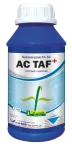
AC-taf+

AC-taf+

Hexaconazole 5% SC
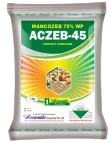
ACZEB-45

ACZEB-45

mancozeb 75% WP
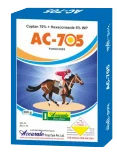
AC-705

AC-705

captan 70% + Hexaconazole 5% WP
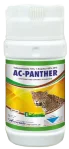
AC-Panther

AC-Panther

Tabuconazole 10% + sulphur 65% WG
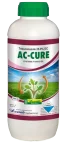
AC-cure

AC-cure

Tebuconazole 25.9% EC
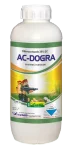
AC-Dogra

AC-Dogra

Difenoconazole 25% EC
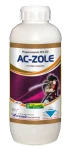
AC-Zole

AC-Zole

Propiconazole 25% EC
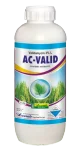
AC-Valid

AC-Valid

Validamycin 3% L
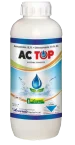
AC-Top

AC-Top

Azoxystrobin + Difenoconazole
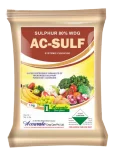
AC-Sulf

AC-Sulf

sulphur 80% WDG
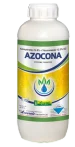
azocona

azocona

Azoxystrobin + Difenoconazole
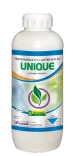
Unique

Unique

Azoxystrobin + Tebuconazole
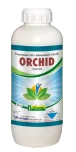
Orchid

Orchid

Tebuconazole + captan
EXPERT GUIDE

Choosing the Right Fungicide for Your Crops

Fungal diseases account for significant crop losses worldwide. At Accurate Cropcare, our fungicide portfolio is engineered to tackle the most destructive pathogens, from Powdery Mildew and Downy Mildew to Blast, Rust, and Blight. Our range includes both protectant (contact) fungicides—like Mancozeb and Sulphur formulations—which form a barrier on the plant surface to prevent fungal entry, and systemic (curative) fungicides—like Tebuconazole, Hexaconazole, and Propiconazole—which are absorbed into the plant and eliminate established infections.

For broad-spectrum management of both oomycete and true fungal diseases, our combination products like Unity (Carbendazim 12% + Mancozeb 63% WP) offer dual protection, safeguarding crops at two distinct biological stages of the pathogen life cycle. For premium control of Sclerotinia, Anthracnose, and Cercospora leaf spots, our Azoxystrobin + Difenoconazole (AC-Top) formulation provides both preventative and curative action with a strong 14-21 day residual effect.

Effective fungicide use requires understanding the crop disease cycle. Applications are most effective at the pre-symptomatic or very early symptomatic stage. Rotating between fungicide classes (e.g., DMI triazoles, multi-site protectants, and strobilurins) helps prevent the development of fungicide resistance, which is an increasing concern in intensive farming systems.

Frequently Asked Questions

What is the difference between a systemic and contact fungicide?
Contact fungicides (protectants) remain on the surface and kill fungal spores on contact. They must be applied before or at the very earliest signs of infection. Systemic fungicides are absorbed and move through the plant's tissue to kill established infections. Most modern programs combine both for maximum efficacy.
Rotate between fungicide classes with different modes of action each spray application. Never use the same active ingredient or FRAC group consecutively. Use combination products that target multiple fungal pathways. This is the single most effective strategy for resistance management.
Triazole fungicides like Hexaconazole (AC-taf+) and Propiconazole (AC-Zole) are highly effective against Powdery Mildew. Sulphur-based products (AC-Sulf) are an excellent organic option for mild infestations. For severe cases, a combination of Tebuconazole + Sulphur (AC-Panther) provides both curative and preventative action.